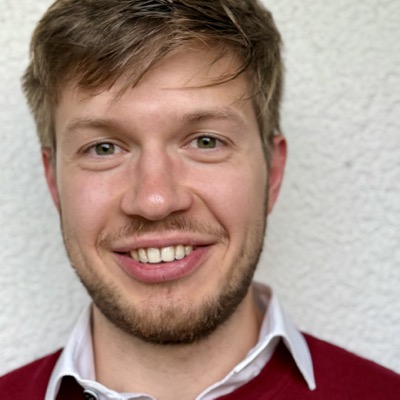
 Hi, I'm Andrei, a computer scientist and a software engineer who co-founded Hut Finder with my fiancée, Lauren Wougk.
I'm currently living in Germany, after finishing here my Master's degree in Computer Science at UBT. During my studies, I was researching software engineering processes at SAP Signavio as a part of my thesis project.
Early Life
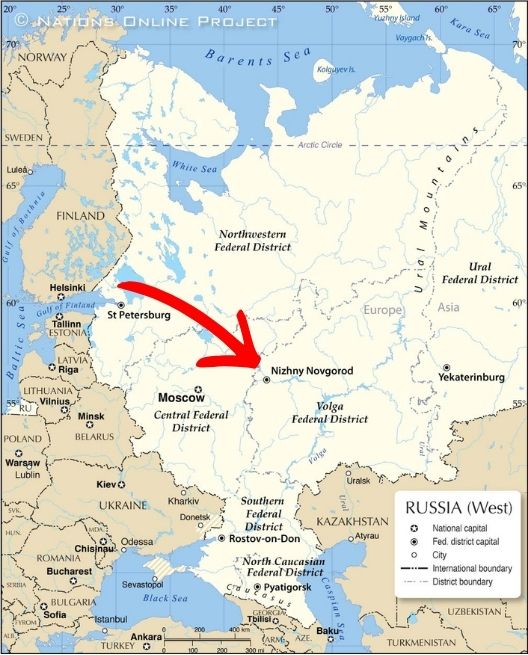
I was born on August, 1999 in Nizhny Novgorod, Russia.
I remember my childhood as relatively happy, but school was hard. Since moving to Germany, I’ve learned that ‘hard’ is a relative term, and my experience was more along the lines of ‘brutal’ compared to western primary schools. The education system in Russia was and still is very rigid - we all took the same classes, regardless of our natural aptitudes; we had no elective courses to pursue our own interests. The teaching styles were archaic - based mostly on repetition, memorization, and my least favorite, the teacher randomly calling on a student to answer or solve a problem in front of the whole class. Coupled with the high expectations for displays of masculinity and dominance amongst peers in the courtyard, primary school in Russia just wasn’t the place for me. I sought escape (literally, we’ll get there), through my computer. My parents bought me a computer when I was relatively young, when I was 8, and where it was first a place for me to be comforted by entertainment, and, as I grew older, it became an outlet for my curiosity and my incessant desire to learn.
I started to learn programming when I was 16, driven by motivation to develop video games from ground up. This is how I read my first book in English about game engine development and how I self-taught myself calculus from a Calculus for Dummies book to understand and improve the physics of my game. So while my performance in school was relatively poor, I was building a vast foundation of other skills and knowledge. One of the most valuable skills I learned during this time was the ability to self-learn.

Moscow Polytechnic University
After high school, I was just about done with Nizhny Novgorod, and I thirsted for a new environment with new people and new, better opportunities. Unfortunately, my grades weren’t high enough to secure free university tuition, so I was in the minority of students in Russia that had to pay to attend university. However, this didn’t deter me and I was determined to succeed.
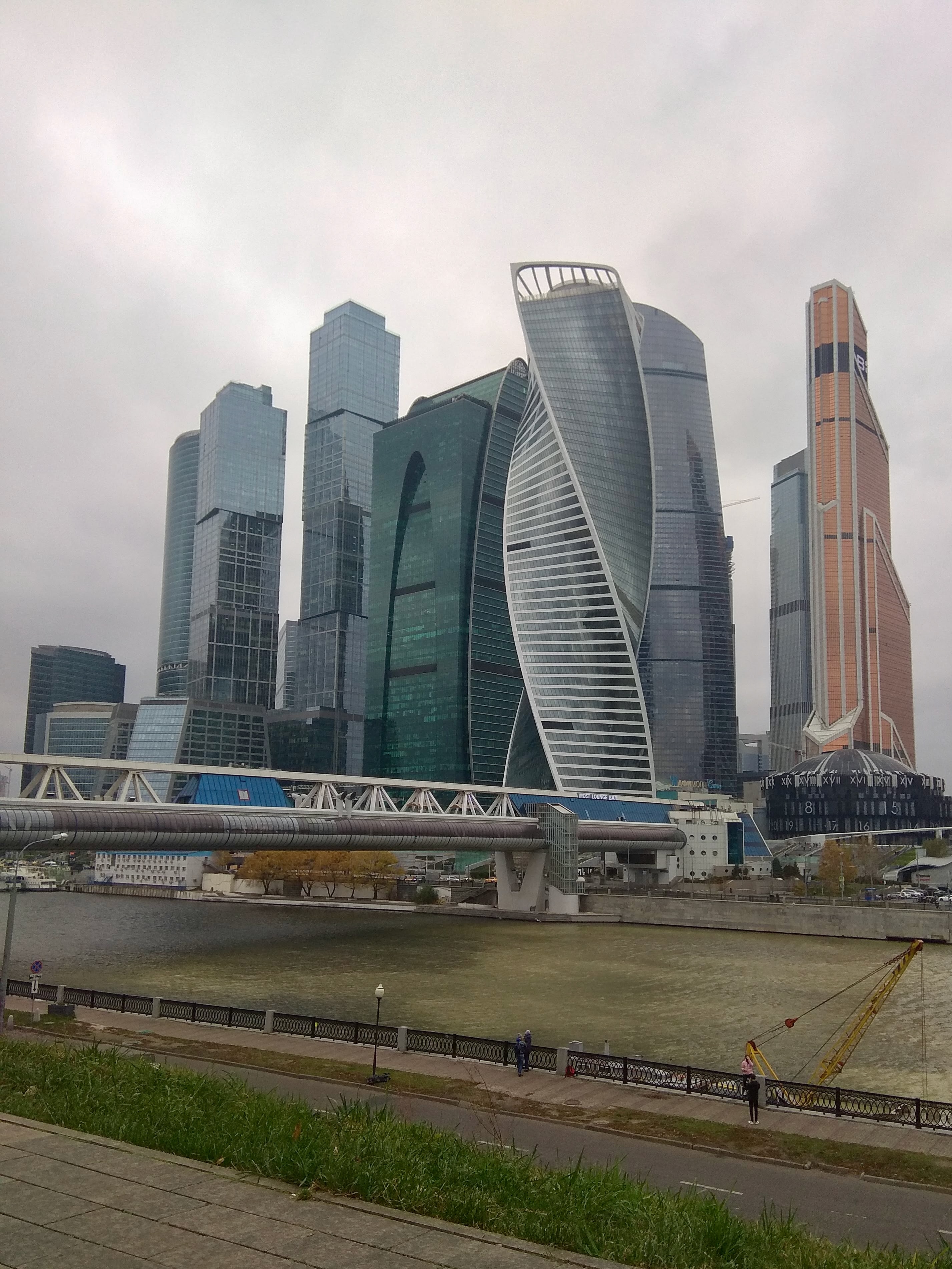
When I started my courses, everything seemed… surprisingly easy. Our teachers were engaged and actually seemed to care about my learning. The project-based structure of the courses allowed much more freedom to dive deeper into subjects that actually interested us. Most importantly, all of my self learning paid off! I found myself leagues ahead of my peers - while most students were learning how to program for the first time, I already had two years of experience under my belt.
Autodesk Forge Hackathons
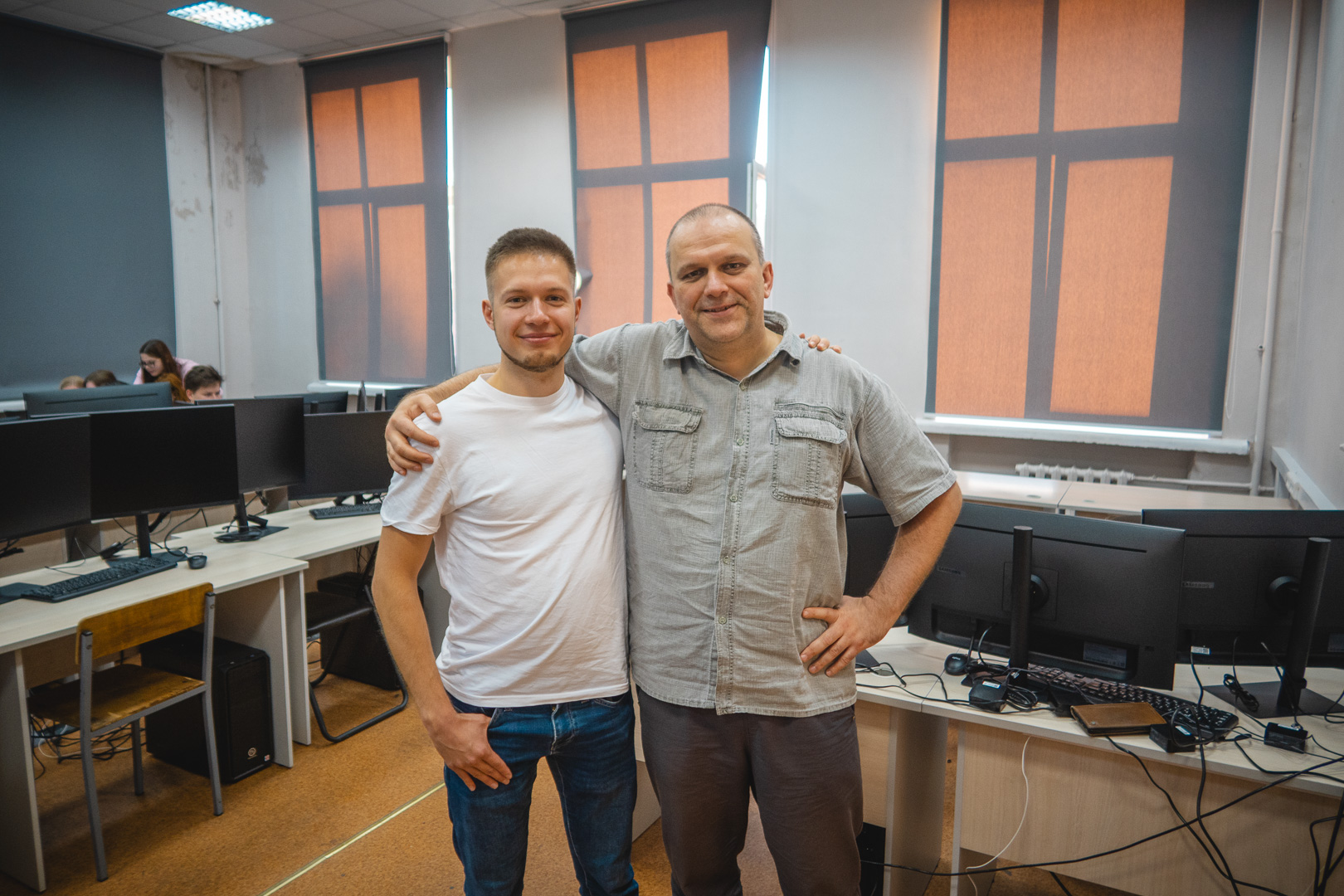
The most defining moments of my university career were participating and winning several Hackathon events. I noticed that a lot of my peers either didn’t care about getting more involved in extracurricular events or were too afraid. But my advanced standing knowledge of programming gave me the confidence to compete in these events, which were hosted by big tech companies, such as Autodesk.
I had some experience working as a team, but nothing this intense, or that I cared so much about. My skill in programming relative to my peers had me meritocratically elected as leader, a role I found myself filling very naturally. These hackathon events gave me a lot of technical experience and visibility in the industry, but mostly, they helped me discover myself as a leader and a person. During one of the events, another group member, Ivan Dashkevich, had more experience than I did, and I decided to step back and trust him to be the leader instead. I learned to not let my individual desires and motivation impact the overall success of the team.
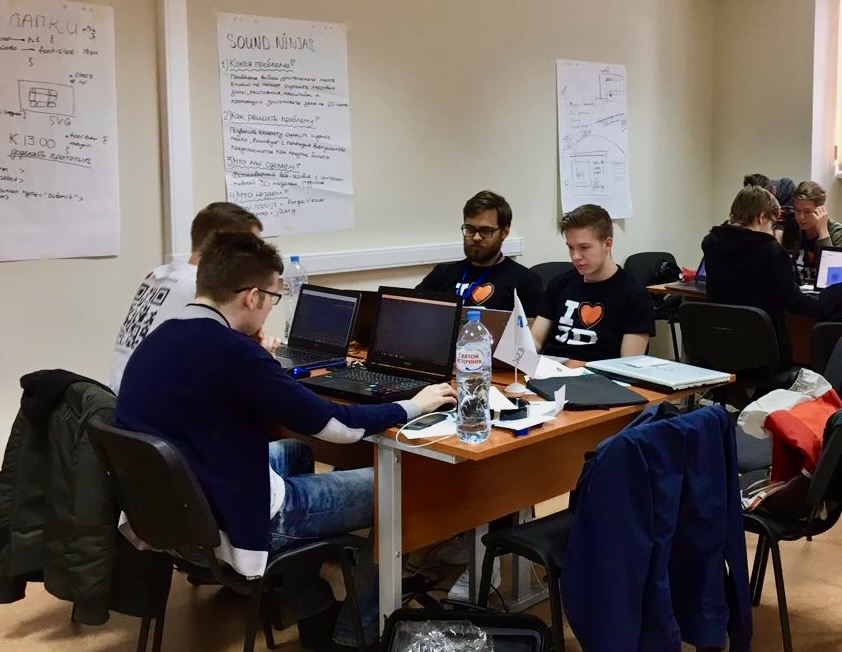
From Ivan I also learned one of my first lessons in what it means to be a leader versus a manager. I found myself having a lot more experience than my other team members, who were motivated and eager to contribute, but just didn’t have the hard skills to really help. I saw how Ivan slowed down, researched some helpful articles, shared them with the less experienced members, and assigned them a small, but meaningful task for the project. I saw how effective and impactful this was for these members, and it was a win-win for all of us. It meant something to me, more than they were just contributing, but that they were inspired, motivated, and felt encouraged and supported by their leader.
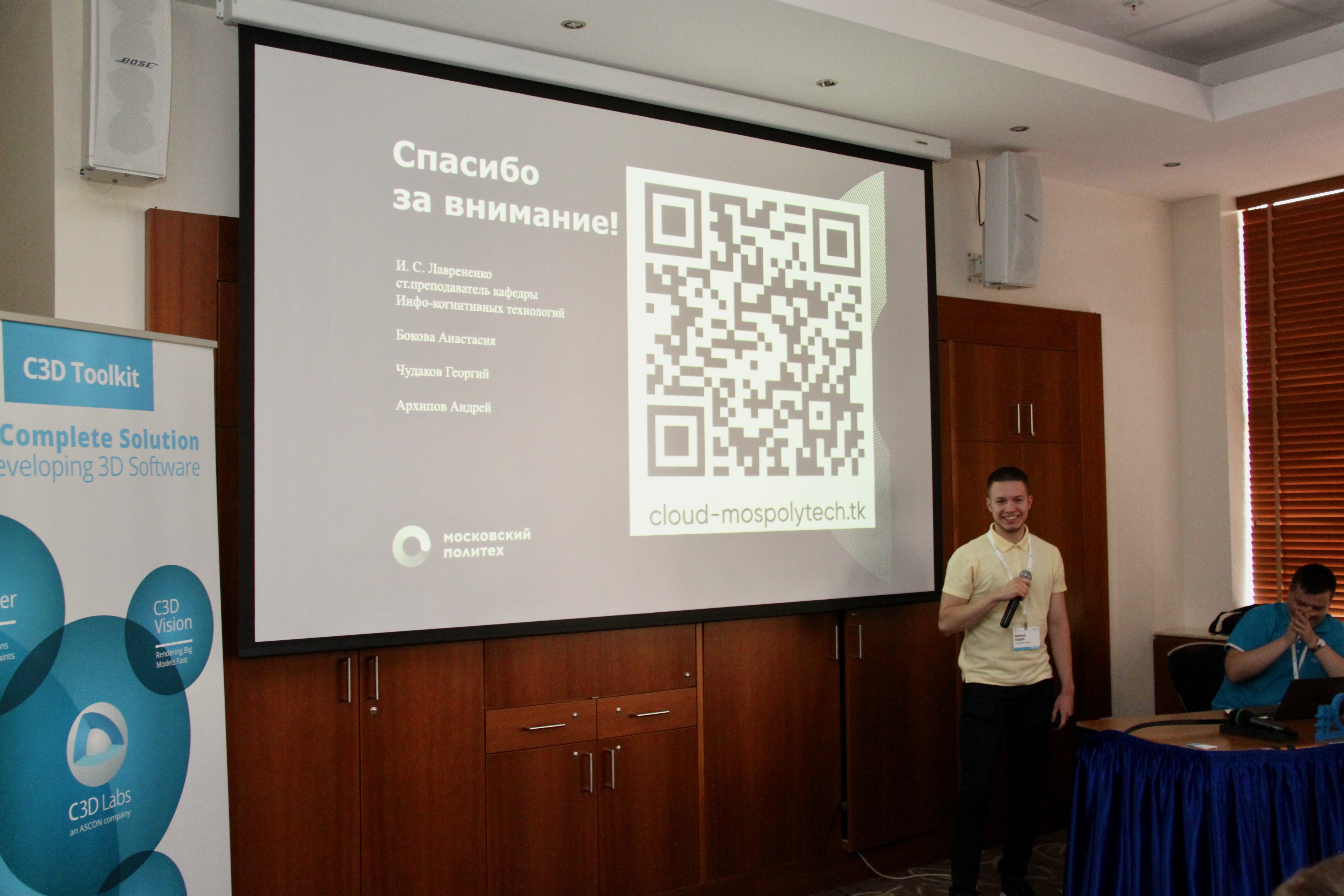
Another skill that I developed from these events was public speaking. The opportunity I sensed in presenting in front of University professors and industry representatives outweighed any nervousness I felt (so maybe those times being called out in primary school by my teachers did have some benefit). Everyone else was too nervous to speak and that also motivated me to step outside my comfort zone and stand out. I’ve applied this to every aspect of my life as well - I view challenges and uncomfortable situations as opportunities to learn, develop, and become a better person than I was yesterday.
First Internship
During my third year of university, Anton Vitalievich was monitoring the industry for new opportunities and approached our class with a special project to work on a CAD kernel called C3D Modeler. This project really interested in me as it combined two of my passions: programming and engineering design. My passion drove me and it was only bolstered by my teacher who encouraged me to attend conferences, collect portfolio and interact with industry professionals. This eventually led to my first internship.
C3D Labs had a special project to develop Web Vision, a framework that integrated CAD design into user web applications, and my experience in Autodesk Forge interested them. They hired me for this project and I worked on a small team, it was just me and the project lead Sergey Klimkin. I accepted my role as an intern to help out with some of the more trivial tasks or filler work. It was definitely very helpful for my supervisor and kept the progress moving forward at a good pace, but I didn’t feel like I could contribute any ideas or suggest different work practices. I learned that it was important for me to feel a sense of ownership in the project.

This story is being written real-time..
Author: Lauren Wougk